
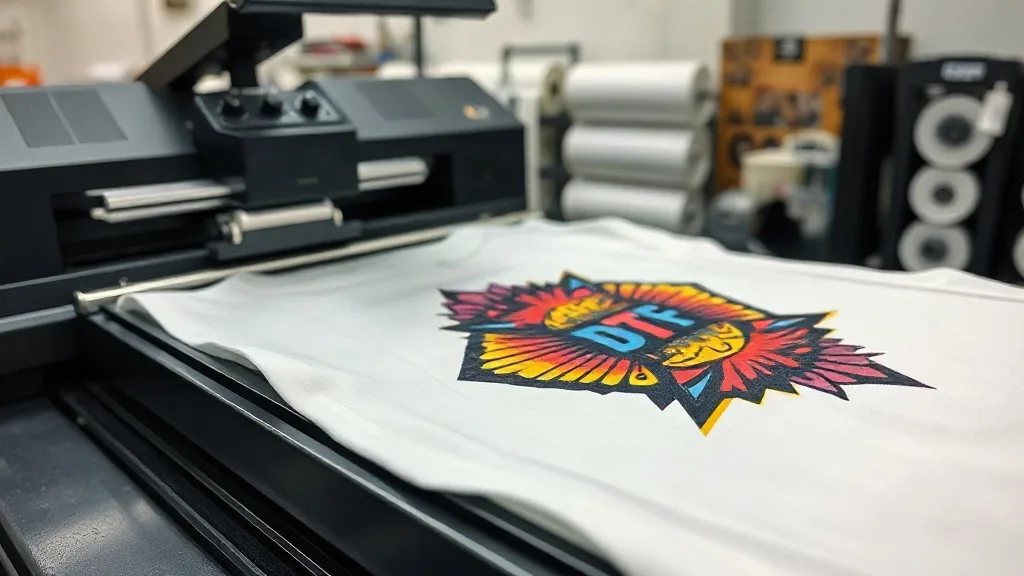
If you've been exploring custom apparel printing, you've likely heard about dtf transfers. This method has taken the printing world by storm, offering a versatile and cost-effective way to produce vibrant, durable designs on a wide range of fabrics. Unlike traditional screen printing or vinyl cutting, DTF (Direct to Film) printing doesn't require weeding, and it works on materials that other methods can't touch. Whether you're a small business owner, a hobbyist, or someone looking to expand their printing capabilities, understanding DTF transfers can open up a world of possibilities. In this guide, we'll walk you through everything you need to know to get started with DTF printing, from the basic process to advanced tips for professional results.
What Are DTF Transfers?
DTF transfers are a type of heat-applied transfer that involves printing a design onto a special film, coating it with adhesive powder, and then using a heat press to transfer it onto a garment. The process begins with a digital printer that uses special DTF inks (usually CMYK plus white) to print the design onto a PET film. After printing, a powdered hot-melt adhesive is applied to the wet ink, and the film is cured. The result is a flexible, stretchable transfer that can be applied to almost any fabric, including cotton, polyester, blends, and even leather. Because the white ink layer is printed underneath the colors, DTF transfers produce bright, opaque designs on both light and dark garments without the need for a separate white underbase or pre-treatment.
Why Choose DTF Transfers Over Other Methods?
There are several reasons why DTF transfers have become a favorite among printers. First, they eliminate the need for weeding, which is a time-consuming step in vinyl printing. Second, they work on a huge variety of fabrics, including those that are difficult for other methods. For example, you can apply DTF transfers to 100% cotton, 100% polyester, cotton-poly blends, and even stretchy materials like spandex. Third, DTF transfers are incredibly durable. When applied correctly, they can withstand dozens of washes without fading or cracking. Finally, DTF printing is cost-effective for short runs. Unlike screen printing, which requires a separate screen for each color, DTF printing is a digital process, so you can print one-off designs or small batches without breaking the bank.
Equipment and Supplies You'll Need
To get started with DTF printing, you'll need a few key pieces of equipment. Here's a breakdown:
- DTF Printer: A dedicated DTF printer uses special inks and a white ink circulation system to prevent clogging. You can also convert some inkjet printers, but dedicated machines are more reliable.
- DTF Inks: These are specially formulated pigment inks that adhere to the film and later to the fabric. They must be compatible with your printer.
- PET Film: This is the transfer film that the design is printed on. It comes in rolls or sheets and has a matte and glossy side.
- Adhesive Powder: Also known as hot-melt powder, this is applied to the wet ink to create the adhesive layer that bonds to the fabric.
- Curing Oven or Heat Gun: After powdering, the film needs to be cured to melt the powder and set the ink.
- Heat Press: A heat press is essential for applying the transfer to the garment. It provides consistent temperature and pressure.
Additionally, you'll need design software, a computer, and a well-ventilated workspace. While the initial investment can be significant, the versatility of DTF printing often makes it worthwhile.
Step-by-Step DTF Transfer Process
Let's walk through the DTF transfer process from start to finish.
1. Design Preparation
Create your design in a graphics program like Adobe Photoshop or Illustrator. Remember that DTF prints are typically mirrored, so you'll need to flip your design horizontally before printing. Also, ensure your design has a transparent background so that only the desired areas are printed.
2. Printing the Design
Load your DTF printer with the appropriate inks and PET film. Send your design to the printer, and it will lay down the white ink base and then the colors. The printer settings (such as ink density and white ink layering) will affect the final outcome, so experiment to find what works best for your designs.
3. Applying Adhesive Powder
While the ink is still wet, sprinkle the adhesive powder evenly over the printed area. You can use a powder shaker for better control. Then, shake off any excess powder. The powder should stick only to the wet ink.
4. Curing the Transfer
Place the powdered film in a curing oven or use a heat gun to melt the powder. The powder should turn glossy and clear, indicating it has melted. Be careful not to over-cure, as this can damage the film. Follow the manufacturer's recommended temperature and time.
5. Heat Pressing onto the Garment
Set your heat press to the recommended temperature (usually around 300-350°F or 150-175°C) and pressure. Place the garment on the press, position the transfer with the design facing up, and press for 10-15 seconds. Then, peel the film off while it's still hot (hot peel) or after it cools (cold peel), depending on the film type. Finally, press again for a few seconds with a Teflon sheet or parchment paper to ensure the transfer is fully embedded.
Tips for Perfect DTF Transfers
To achieve professional-looking results, keep these tips in mind:
- Use high-quality materials: Cheaper films and powders can lead to poor adhesion and dull colors.
- Control moisture: DTF inks and powder are sensitive to humidity. Store them in a dry place and consider using a dehumidifier in your workspace.
- Test your settings: Every printer, film, and powder combination behaves differently. Always do a test press to dial in the right temperature, pressure, and time.
- Handle with care: Avoid touching the printed area before curing, as oils from your skin can interfere with adhesion.
- Wash garments inside out: To extend the life of your DTF transfers, advise customers to wash inside out in cold water and avoid fabric softeners.
Common Applications of DTF Transfers
DTF transfers are used in a variety of settings. Small businesses use them to create custom t-shirts, hoodies, and tote bags for events or promotional purposes. Sports teams and schools use them for jerseys and uniforms. Fashion designers appreciate the ability to print intricate designs on delicate fabrics. Even home crafters use DTF transfers to personalize gifts. Because DTF transfers adhere to so many materials, they are also popular for printing on canvas shoes, denim jackets, and even wood or metal (with proper surface preparation). The possibilities are nearly endless.
Frequently Asked Questions About DTF Transfers
How long do DTF transfers last?
When applied correctly and cared for properly, DTF transfers can last as long as the garment itself. They are resistant to cracking, peeling, and fading. Washing inside out in cold water and avoiding high heat in the dryer will help extend their life.
Can I use DTF transfers on 100% polyester?
Yes, DTF transfers work exceptionally well on polyester. In fact, they often produce better results on polyester than other methods like vinyl, which can struggle to adhere to synthetic fabrics. Just be sure to use a lower temperature when pressing polyester to avoid scorching.
Do I need a special printer for DTF printing?
While you can convert some inkjet printers to use DTF inks, dedicated DTF printers are recommended for consistent results. They have features like white ink circulation and better print head maintenance, which are crucial for DTF printing.
What is the difference between DTF and DTG?
DTF (Direct to Film) involves printing onto a film and then transferring to the garment, while DTG (Direct to Garment) prints directly onto the fabric. DTF is more versatile because it can be used on a wider range of fabrics and doesn't require pre-treatment. DTG is limited mostly to cotton and requires pre-treatment for best results.
How do I store unused DTF transfers?
Store unused DTF transfers in a cool, dry place, away from direct sunlight. Keep them in a sealed bag or container to prevent dust and moisture from affecting the adhesive. Properly stored transfers can last for several months.
Final Thoughts
DTF transfers offer a powerful combination of versatility, durability, and vibrant color that is hard to match with other printing methods. Whether you're just starting out or looking to add a new service to your existing business, DTF printing is worth exploring. With the right equipment, materials, and a bit of practice, you can produce stunning custom apparel that your customers will love. Remember to source your supplies from reputable vendors, and don't be afraid to experiment to find the perfect settings for your setup. Happy printing!