
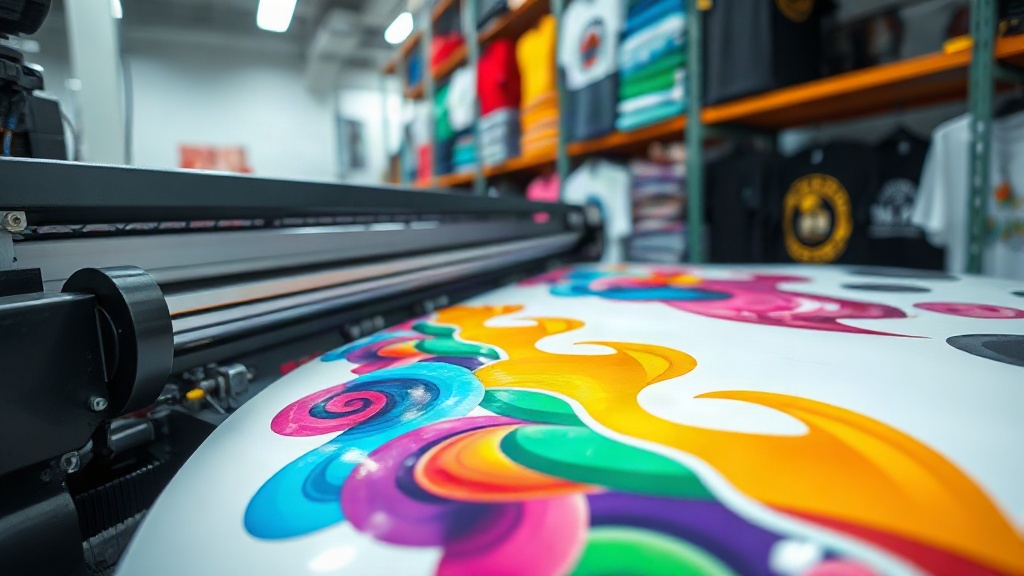
When you're starting a custom apparel business or need to fulfill a large order, the search for DTF (Direct to Film) transfers can feel overwhelming. You might type "dtf transfers near me" into Google and get hundreds of results, but how do you know which ones are legit? In this guide, I'll walk you through everything I've learned from years of working with print shops and suppliers. I'll share real red flags, testing methods, and questions to ask before you spend a cent. Whether you're a beginner or a seasoned pro, this article will help you navigate the maze of local and online providers.
What Are DTF Transfers and Why Are They So Popular?
DTF printing involves printing your design onto a special PET film, applying adhesive powder, and then heat-pressing that film onto fabric. Unlike screen printing, there's no setup fee, and unlike vinyl, you can achieve incredible detail and color gradients. The film is peeled away, leaving a soft, stretchable print that works on cotton, polyester, blends, and even tricky surfaces like nylon. That's why DTF has exploded in recent years, especially for small batch orders and full-color designs.
The process is straightforward: you print, powder, shake off excess, and cure. But the quality of the final transfer depends heavily on the materials and equipment used. Cheap films, low-quality inks, or improper curing can lead to peeling, cracking, or a stiff feel. So when you search for "dtf transfers near me," you're not just looking for a printer; you're looking for a partner who understands these nuances.
Benefits of Using Local DTF Transfer Suppliers
There are several advantages to choosing a local supplier over a distant online store. First, you can visit their facility and see their equipment in person. This lets you verify they have professional-grade printers and curing ovens, not just a desktop setup. Second, you can save on shipping costs and time, which is crucial if you have a deadline. Third, you can build a relationship and get faster support when issues arise.
But local doesn't always mean better. Some shops may charge higher prices due to overhead, or they might not have the latest technology. That's why it's essential to do your research and compare both local and online options. The key is to find a supplier that consistently delivers high-quality DTF transfers, regardless of their location.
How to Find DTF Transfer Suppliers in Your Area
When I first started, I used simple Google searches like "DTF printing near me" or "dtf transfers near me." But I quickly learned that the first few results aren't always the best. Here are some more effective strategies:
- Ask for referrals: Reach out to other local business owners in the apparel or promotional products industry. They often have trusted suppliers they can recommend.
- Check social media: Many print shops showcase their work on Instagram and Facebook. Search hashtags like #DTFtransfers or #DTFprinting and see who's posting quality results.
- Visit trade shows: Events like the Print United Expo or local industry meetups are goldmines for finding suppliers and seeing their products in action.
- Use online directories: Websites like Printful's partner directory or Thomasnet can help you locate verified suppliers.
Key Factors to Evaluate When Choosing a Supplier
Once you have a shortlist, it's time to evaluate them thoroughly. Don't just look at their website; dig deeper. Here are the critical factors I always consider:
Print Quality and Resolution
Ask to see samples of their work, especially designs with fine lines, gradients, and small text. A high-resolution print should have sharp edges and smooth color transitions. If they hesitate to provide samples, that's a red flag.
Materials Used
Not all films and inks are created equal. Quality suppliers use premium PET films and eco-solvent or water-based inks that are durable and vibrant. You can ask them which brands they use and why. They should be proud to share that information.
Turnaround Time
How fast can they produce and ship your order? If you're in a rush, you need someone who can meet your deadlines. Many local shops offer same-day or next-day service, which is a huge plus.
Pricing Structure
Compare prices per square foot or per transfer. Be wary of extremely low prices; they often indicate subpar materials or rushed production. On the other hand, high prices don't guarantee quality. Look for transparent pricing with no hidden fees.
Customer Support
Test their responsiveness by sending a question via email or phone. Do they reply quickly and helpfully? Good communication is essential, especially when you need to troubleshoot issues.
Questions to Ask Before Placing an Order
To avoid misunderstandings, ask these questions upfront:
- Do you provide free samples for testing?
- What is your minimum order quantity (MOQ)?
- What are your shipping costs and times?
- Can you match specific Pantone colors?
- Do you offer a warranty or replacement if a transfer fails?
- How should I prepare my artwork files (format, DPI, color profile)?
These questions will help you gauge their professionalism and whether they're a good fit for your needs.
How to Test the Quality of DTF Transfers
Before committing to a large order, order a test pack from your top two or three candidates. Apply the transfers to different fabrics using the recommended press settings. Then, put them through the wringer: wash them multiple times, stretch them, and expose them to harsh conditions. Here's what to look for:
- Washability: After 10 washes, the print should show minimal fading or cracking.
- Stretchability: The transfer should stretch with the fabric without breaking.
- Feel: It should be soft and not feel like a thick sticker.
- Color retention: Colors should stay vibrant, not turn dull or yellow.
If a supplier's test fails, move on. It's better to find out now than after you've sold a batch of defective shirts.
Common Scams and Pitfalls in the DTF Industry
Unfortunately, the popularity of DTF has attracted some less-than-honest sellers. Here are common scams to watch out for:
Too-Good-To-Be-True Pricing
If a price seems unbelievably low, it probably is. They may use substandard materials that will fall apart after one wash. Always compare prices with the market average.
Fake Reviews
Some suppliers buy fake reviews to boost their reputation. Look for reviews that seem genuine and specific. Check independent platforms like Trustpilot or Google Reviews, and even search for complaints on forums.
Hidden Fees
Some suppliers quote a low price per transfer but then add hefty setup fees, shipping charges, or rushed order premiums. Always ask for a full quote in writing.
Non-Delivery or Late Delivery
This is especially risky with overseas suppliers. To protect yourself, use a payment method that offers buyer protection, like a credit card or PayPal, and choose suppliers with a proven track record.
Online vs. Local Suppliers: Pros and Cons
You might be tempted to go online for the convenience and lower prices, but local suppliers have their own perks. Let's compare:
| Factor | Local | Online |
|---|---|---|
| Speed | Often faster, especially for last-minute orders. | Shipping can take days. |
| Quality control | You can inspect products before purchase. | You rely on descriptions and samples. |
| Price | May be higher due to overhead. | Often more competitive. |
| Communication | Face-to-face interaction is easier. | Email and chat may be slower. |
| Support | Immediate help if problems arise. | Time zone differences can cause delays. |
The best choice depends on your priorities. For quick turnaround or custom needs, local is hard to beat. For bulk orders with a flexible timeline, online suppliers might save you money.
How to Build a Long-Term Relationship with Your DTF Supplier
Once you find a reliable supplier, nurture that relationship. Here are some tips:
- Communicate clearly: Provide detailed specifications and feedback on every order.
- Pay on time: This builds trust and may lead to better terms later.
- Give feedback: If a transfer has an issue, report it immediately. Good suppliers will make it right.
- Stay open to new products: They might introduce you to new materials or techniques that can improve your products.
Remember, a supplier is a partner in your business. Invest time in that partnership and you'll both reap the benefits.
Conclusion
Finding quality DTF transfers doesn't have to be a gamble. By doing your homework, testing samples, and asking the right questions, you can locate a supplier that meets your standards. Whether you choose someone local or an online service, the key is to prioritize quality and reliability over price alone. I hope this guide helps you make an informed decision. If you have any more tips or experiences, feel free to share them in the comments below. Happy printing!
Frequently Asked Questions
What is the difference between DTF and sublimation printing?
Sublimation printing requires polyester fabrics and works by infusing dye into the material, while DTF can print on a wide range of fabrics, including cotton, using a transfer film. DTF also allows for more vibrant colors on dark garments without the need for a white underbase.
How long do DTF transfers last on garments?
When applied and cared for properly, DTF transfers can withstand dozens of washes without cracking or fading. The lifespan depends on the quality of the materials, the pressing conditions, and how the garment is washed. Using cold water and air drying can extend the life.
Can I apply DTF transfers to non-clothing items?
Yes, DTF transfers are versatile and can be applied to various items like tote bags, aprons, mouse pads, and even leather or wood surfaces, as long as they can withstand the heat from a press. The key is to use the right pressure and temperature for the substrate.
Do I need to buy a package deal to get a good price?
Many suppliers offer volume discounts, but you don't necessarily need to buy a huge package. It's still worth asking if they have tiered pricing. Even small quantities can be affordable if you compare multiple suppliers.
What should I do if a DTF transfer fails during application?
If a transfer fails, first check if your pressing time and temperature are correct. If the issue persists, contact your supplier. Reputable suppliers will often replace faulty transfers or offer advice. Always keep a record of your order and any communication.