
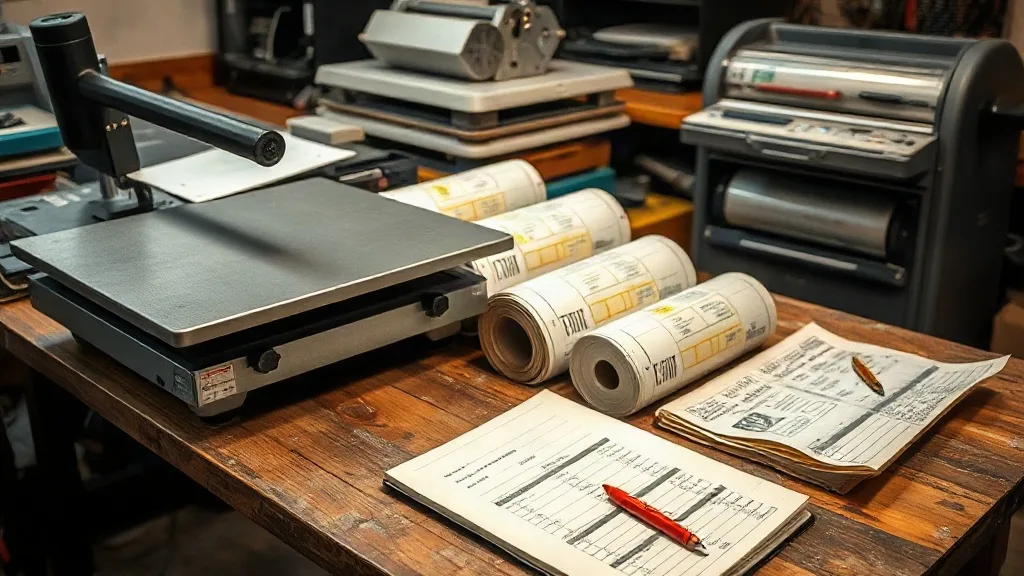
Every DTF shop owner knows the sting of a wasted transfer. You've just printed a beautiful design, powdered it, cured it, and then something goes wrong: the film wrinkles, the powder doesn't stick, or the press leaves a scorch mark. Multiply that by a busy week, and you're literally throwing money in the trash. While much has been written about troubleshooting press settings and fabric choices, one critical area often gets overlooked: waste reduction. This guide dives into practical, experience-based strategies to minimize waste in your DTF workflow, from ordering supplies to pressing the final piece. Whether you're a one-person operation or scaling up, these tips will help you keep more of your hard-earned cash.
Why Waste Matters More Than You Think
Waste isn't just about the cost of film and powder. It's also about time, labor, and customer satisfaction. A single ruined transfer might seem minor, but over weeks and months, it adds up. Consider this: if you waste just 10% of your transfers, you're effectively giving away a tenth of your revenue. And that's before factoring in the time spent reprinting, the delay in orders, and the potential negative reviews from late deliveries. The good news is that most waste is preventable. By identifying the root causes and implementing simple checks, you can drastically reduce your waste rate.
Common Sources of Waste in DTF Printing
Before we jump into solutions, let's pinpoint where waste typically occurs. In my years of running a DTF shop, I've seen waste stem from four main areas: design and file preparation, printing and powder application, curing, and pressing. Each stage has its own pitfalls, and addressing them individually is key to a comprehensive waste reduction plan.
Design and File Preparation
It all starts with the file. A poorly prepared design can lead to misprints, color issues, and even film jams. Common mistakes include low resolution, incorrect color profiles, and improper sizing. Always ensure your designs are high-resolution (300 DPI at final print size) and use the correct ICC profile for your printer. Also, double-check that the design fits within the printable area of your film to avoid clipping.
Printing and Powder Application
This is where many waste issues occur. Printer clogs, banding, and uneven powder application are frequent culprits. Regularly maintain your printer, use high-quality dtf film and powder, and ensure your environment is free of dust and humidity. A simple daily maintenance routine can save you hours of frustration and dozens of ruined transfers.
Curing
Proper curing is essential for the powder to melt and adhere correctly. Under-curing results in powder that flakes off, while over-curing can cause the film to warp or the ink to crack. Invest in a reliable curing oven or heat gun and monitor the temperature closely. A infrared thermometer can help you maintain consistent heat.
Pressing
Even a perfectly printed transfer can be ruined during pressing. Incorrect temperature, pressure, or time can lead to poor adhesion, scorching, or premature peeling. Always pre-press the garment to remove moisture, use a Teflon sheet or protective paper, and follow the recommended settings for your specific dtf transfers. And don't forget to cool peel if your film requires it.
Practical Strategies to Reduce Waste
Now that we've identified the common sources, let's explore actionable strategies to minimize waste. These are tried-and-true methods that I've implemented in my own shop, and they've made a significant difference.
1. Implement a Pre-Flight Checklist
Before starting any print job, run through a quick checklist: Is the printer clean and primed? Is the film loaded correctly? Is the powder dry and evenly applied? Is the curing oven at the right temperature? This simple habit can catch issues before they become costly mistakes.
2. Use Gang Sheets Wisely
Gang sheets are a great way to maximize film usage, but they can also lead to waste if not planned properly. Nest your designs efficiently, leaving minimal gaps, but avoid overcrowding that could cause cutting errors. Use software that optimizes layout, and always preview before printing.
3. Store Materials Properly
Film and powder are sensitive to moisture and temperature. Store them in a cool, dry place, and keep powder in an airtight container. Humidity can cause powder to clump and film to warp, leading to rejects. If you're in a humid climate, consider a dehumidifier for your storage area.
4. Train Your Team
If you have employees, ensure everyone is trained on the proper procedures. A consistent workflow reduces errors. Create standard operating procedures (SOPs) for each step and post them near the equipment. Regular refresher training can also help.
5. Reuse and Recycle Where Possible
Some waste is inevitable, but you can repurpose certain materials. For example, misprinted film can sometimes be used for test prints or small samples. Powder that's been contaminated can't be reused, but you can minimize waste by applying it carefully with a scoop or spoon rather than pouring.
6. Invest in Quality Equipment
Cheap equipment often leads to more waste in the long run. A reliable printer, consistent powder, and a precise heat press are worth the investment. They reduce the frequency of jams, clogs, and misprints, saving you money over time.
7. Monitor and Measure
Keep track of your waste. Record how many transfers you print and how many you discard. This data will help you identify patterns and areas for improvement. You might be surprised at what you find.
Finding Reliable Supplies and Services
One often-overlooked aspect of waste reduction is sourcing quality materials. Low-quality film or powder can cause endless problems. If you're looking for consistent, high-quality dtf transfers and supplies, consider established suppliers who specialize in DTF. For those who prefer to outsource printing, searching for dtf transfers near me can connect you with local services that offer quick turnaround and reduce the need for in-house printing, which can be a smart move for small shops.
Case Study: How One Shop Cut Waste by 30%
Let me share a real example. A friend of mine runs a small DTF shop in the Midwest. He was struggling with a 15% waste rate, mostly due to powder application issues and press errors. We sat down and implemented a few changes: he switched to a higher-quality powder, installed a dehumidifier in his storage room, and created a simple checklist for each job. Within two months, his waste rate dropped to under 5%, saving him hundreds of dollars per month. The key was consistency and attention to detail.
Frequently Asked Questions
How can I prevent powder from clumping?
Store powder in an airtight container in a cool, dry place. If clumping occurs, sift the powder before use to break up lumps. Avoid leaving the container open for extended periods.
What's the best way to test a new film or powder?
Always run a small test print with a simple design before committing to a large job. This helps you verify adhesion, color, and durability without wasting much material.
Can I reuse misprinted film?
In some cases, you can cut around the misprinted area and use the remaining film for smaller designs. However, if the film is wrinkled or damaged, it's best to discard it to avoid press issues.
How often should I clean my printer?
Daily maintenance is ideal, but at minimum, clean the printhead and capping station weekly. Follow the manufacturer's recommendations for your specific printer model.
Is it worth investing in a heat press with pressure adjustment?
Absolutely. Consistent pressure is crucial for DTF transfers. A press with a pressure gauge and adjustable knob allows you to dial in the perfect setting, reducing waste from over- or under-pressing.