
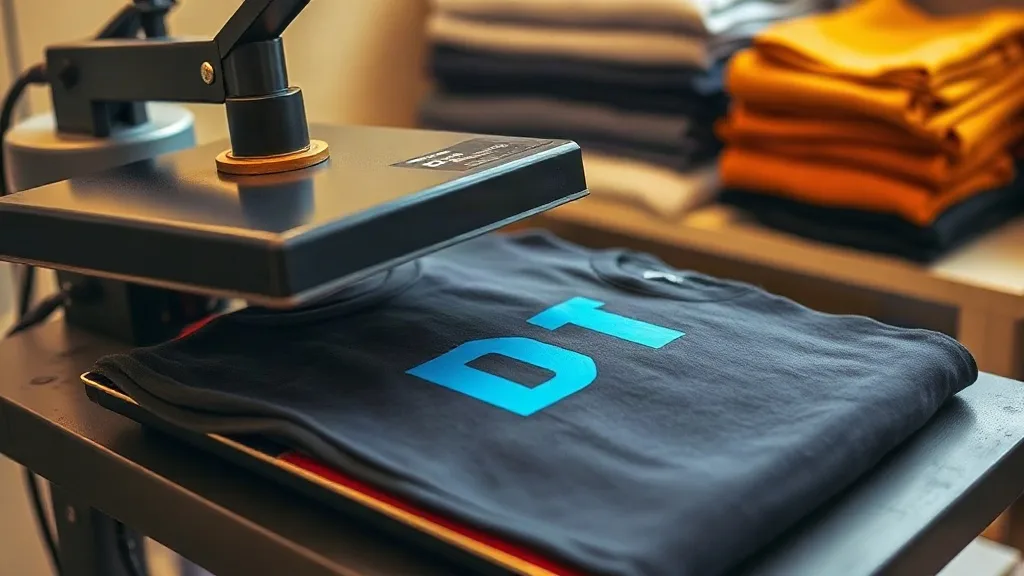
When it comes to decorating apparel, dtf transfers have become a go-to solution for their versatility and vibrant results. But did you know that the fabric you choose can make or break the durability of your print? In this guide, we'll explore how to select the right fabrics for DTF transfers and ensure your designs stand the test of time. Whether you're a hobbyist or a professional, understanding the interplay between fabric and dtf printing is key to achieving professional-quality results. And if you're searching for dtf transfers near me, you're in the right place—we'll also touch on finding local services.
Why Fabric Choice Matters for DTF Transfers
DTF transfers are printed on a special film and then applied to fabric using heat and pressure. The fabric's composition, weight, and texture directly affect how well the transfer adheres and how long it lasts. For instance, tightly woven fabrics like cotton provide a smooth surface for the transfer to bond, while loose knits or highly textured fabrics may cause the design to crack or peel prematurely. Additionally, fabrics with high synthetic content can be sensitive to heat, requiring lower application temperatures. By understanding these factors, you can avoid common pitfalls and ensure your DTF transfers look great wash after wash.
Choosing the Right Fabric for DTF Transfers
Not all fabrics are created equal when it comes to DTF printing. Here's what to consider:
Cotton and Cotton Blends
Cotton is the most forgiving fabric for DTF transfers. Its natural fibers accept the adhesive well, and the smooth surface allows for crisp details. Cotton blends with polyester (like 50/50) also work well, but keep in mind that higher polyester content may require adjustments in heat press settings. For best results, pre-wash cotton fabrics to remove sizing and shrink them before applying transfers.
Polyester and Synthetics
Polyester and other synthetics can be used with DTF transfers, but they demand careful temperature control. Excessive heat can cause the fabric to melt or the transfer to scorch. Use a lower temperature (around 280°F to 300°F) and shorter pressing times. Also, test on a small area first. Blends with a high polyester content may also exhibit dye migration, where the fabric's dye sublimates into the transfer, altering colors. Using a lower temperature and a protective sheet can mitigate this.
Specialty Fabrics
Fabrics like canvas, denim, and linen can be used with DTF transfers, but their texture may affect adhesion. For heavily textured fabrics, consider using a higher pressure to ensure the transfer penetrates the weave. However, be cautious with stretchy fabrics like spandex—they require transfers that can stretch without cracking. Always test on a swatch before committing to a full production run.
Ensuring Print Durability: Best Practices
Once you've selected the right fabric, proper application and care are essential for long-lasting DTF transfers. Follow these best practices:
Preparation Is Key
Before pressing, preheat the fabric to remove moisture and wrinkles. Moisture can create steam during pressing, leading to poor adhesion. Use a lint roller to remove any debris. Also, ensure the fabric is flat and smooth; any wrinkles will transfer to the print.
Optimal Heat Press Settings
Each fabric type requires specific settings. For cotton, a temperature of 320°F to 340°F with medium pressure for 15-20 seconds works well. For polyester, lower the temperature to 280°F-300°F and reduce pressure slightly. Always use a Teflon sheet or parchment paper to protect the transfer and fabric. After pressing, wait for the transfer to cool completely before peeling the film—this prevents the design from stretching or tearing.
Washing and Care
To maximize durability, turn garments inside out before washing and use cold water. Avoid harsh detergents and fabric softeners, which can degrade the adhesive. Tumble dry on low or hang dry. With proper care, DTF transfers can withstand dozens of washes without fading or cracking.
Common Mistakes to Avoid
Even experienced users can make mistakes that compromise print durability. Here are some pitfalls to watch for:
- Pressing at too high a temperature: This can scorch synthetic fabrics or cause the transfer to become brittle.
- Insufficient pressure: Without adequate pressure, the transfer won't bond properly, leading to peeling.
- Peeling too soon: Always allow the transfer to cool before removing the film.
- Ignoring fabric content: Always check the care label and test a small area if unsure.
Finding Quality DTF Transfers Near You
If you're looking to source DTF transfers locally, consider visiting specialty print shops or online suppliers that offer quick turnaround. Many companies provide custom transfers with no minimum order, making it easy to experiment with different fabrics. When searching for dtf transfers near me, check reviews and ask for samples to ensure quality. For those who prefer to print in-house, investing in a reliable DTF printer and quality supplies is essential.
Frequently Asked Questions
Can I use DTF transfers on 100% polyester fabric?
Yes, but you need to adjust heat press settings to a lower temperature (around 280°F-300°F) to avoid melting or dye migration. Always test on a swatch first.
How long do DTF transfers last on cotton?
With proper application and care, DTF transfers on cotton can last for 50+ washes without significant fading or cracking.
What is the best way to wash garments with DTF transfers?
Turn the garment inside out, wash in cold water with mild detergent, and avoid fabric softeners. Tumble dry on low or hang dry.
Can I stretch DTF transfers on athletic wear?
Yes, DTF transfers are flexible and can stretch with the fabric. However, for high-stretch fabrics like spandex, ensure the transfer is applied with adequate pressure and consider using a stretchable transfer film.
Where can I find DTF transfers near me?
Search online for local print shops or suppliers specializing in DTF transfers. Many offer online ordering with local pickup or delivery. Check reviews and request samples to ensure quality.