
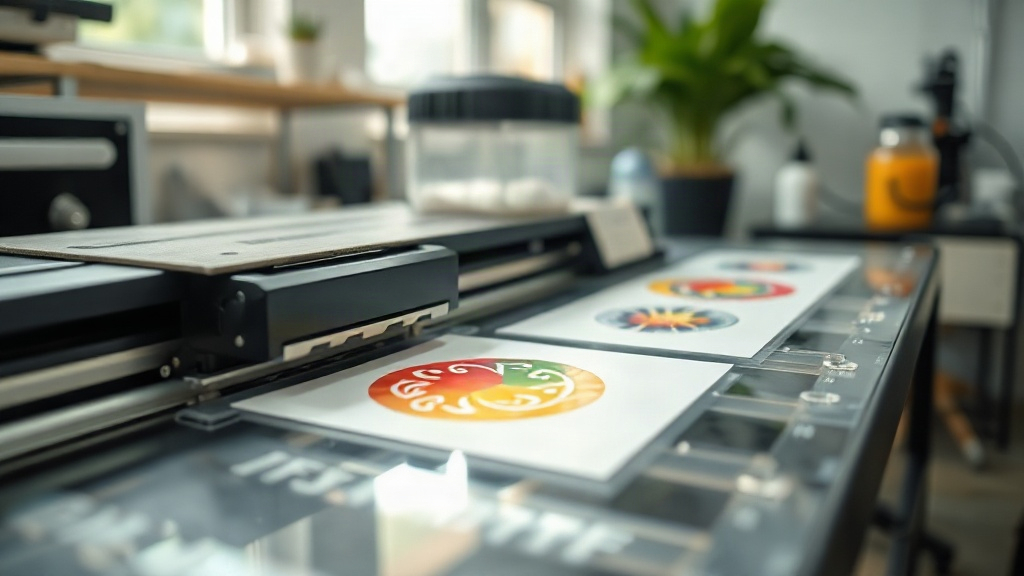
If you've been exploring custom apparel printing, you've likely encountered DTF printing. It stands for Direct to Film, a method that's rapidly gaining popularity among hobbyists and professionals alike. Unlike other techniques, DTF printing allows you to transfer intricate designs onto a variety of fabrics with impressive durability and color vibrancy. Whether you're running a small business or just starting out, understanding DTF printing can open up a world of creative possibilities. In this guide, I'll walk you through the entire process, from choosing the right materials to troubleshooting common issues, so you can achieve professional-looking results at home.
What is DTF Printing?
DTF printing is a digital printing technology where your design is printed onto a special film, coated with adhesive powder, and then heat-pressed onto the fabric. The magic lies in the transfer film: it holds the ink and powder, which melt and bond to the fabric under heat and pressure. This method works on almost any fabric, including cotton, polyester, blends, and even leather. It's a game-changer because you don't need to pre-treat the garment, and the results are soft, stretchy, and long-lasting.
Why Choose DTF Printing?
There are several reasons why DTF printing has become a go-to for many. First, it offers incredible versatility. You can print full-color images with fine details, gradients, and photographs without worrying about color limitations. Second, it's cost-effective for small to medium runs because you don't need screens or plates. Third, the durability is outstanding: properly applied DTF transfers can withstand dozens of washes without fading or cracking. Plus, the process is relatively clean and straightforward, making it accessible for beginners.
Materials You'll Need
Before you dive in, gather these essentials:
- DTF printer or a modified inkjet printer with DTF ink.
- DTF film (usually PET film).
- DTF powder (hot-melt adhesive powder).
- Heat press or iron.
- Design software (e.g., Photoshop, Illustrator).
- Protective paper or Teflon sheet.
Quality supplies matter. Cheap film can cause ink smudging, and low-grade powder may lead to poor adhesion. I recommend starting with a reputable brand to avoid frustration.
Step-by-Step DTF Printing Process
1. Design Preparation
Create your artwork in CMYK color mode. Remember that DTF printers use white ink as a base, so you'll need to set up your file with a white underbase layer. This ensures the colors pop on dark fabrics. If you're new to this, many RIP software options can automate the white layer generation.
2. Printing
Load your DTF film into the printer. Print the design, and the printer will lay down the white ink first, followed by the colors. Some printers do this in one pass, others require two. Make sure your printer is set to the correct film type and resolution (usually 1440 dpi).
3. Powder Application
While the ink is still wet, sprinkle DTF powder evenly over the print. You can use a shaker bottle for better control. Then, shake off the excess. The powder should stick only to the wet ink. This step is crucial; too much powder can cause a rough texture, too little leads to poor adhesion.
4. Curing
Place the film in a curing oven or under a heat source. The powder needs to melt and form a smooth, glossy layer. Typically, this takes about 2-3 minutes at 160°C (320°F). If you don't have an oven, you can use a heat press with the film sandwiched between protective sheets, but be careful not to scorch it.
5. Heat Pressing
Set your heat press to 160°C (320°F) with medium pressure. Place the transfer on the garment, cover with a Teflon sheet, and press for 15-20 seconds. Let it cool completely before peeling off the film. You can peel it hot or cold, but cold peel often gives cleaner edges.
Tips for Success
Getting consistent results with DTF printing takes practice. Here are some tips I've learned along the way:
- Test your powder: Different powders have different melt points. Always test a small batch.
- Control humidity: High humidity can cause the powder to clump. Store it in an airtight container.
- Use the right film: Not all films are created equal. Look for films designed specifically for DTF printing.
- Press evenly: Uneven pressure leads to patchy transfers. Make sure your heat press is calibrated.
- Wash inside out: To extend the life of your prints, wash garments inside out in cold water and avoid bleach.
Common Issues and Troubleshooting
Even with the best setup, problems can arise. Here are a few common ones and how to fix them:
- Ink smudging: Usually caused by too much ink or low-quality film. Reduce ink density and try a different film.
- Powder not sticking: The ink may be too dry. Print a test and apply powder immediately.
- Cracking after wash: This often means under-curing. Increase curing time or temperature.
- Transfer peeling off: Ensure you're using enough pressure and the correct temperature. Also, check that the garment is clean and dry.
Frequently Asked Questions
Can I use DTF printing on dark fabrics?
Absolutely! DTF printing excels on dark fabrics because the white ink base provides a solid foundation for vibrant colors. Just make sure your design includes a white underbase layer.
How long do DTF transfers last?
With proper application and care, DTF transfers can last as long as the garment itself. They withstand repeated washing without fading, cracking, or peeling. Following the wash instructions is key.
Do I need a special printer for DTF?
You can convert a standard inkjet printer to use DTF inks, but it requires modifications like a powder shaker and curing unit. Alternatively, you can buy a dedicated DTF printer, which is more expensive but easier to use.
What fabrics work best with DTF?
DTF works on almost any fabric, including cotton, polyester, nylon, and blends. It's also suitable for leather and canvas. The key is to ensure the fabric can withstand the heat press temperature.
Is DTF printing cost-effective for small businesses?
Yes, DTF printing is very cost-effective for small runs because there are no setup fees like screen printing. The main costs are the printer, ink, film, and powder, which are relatively affordable.
Mastering DTF printing opens up a world of customization. With a bit of practice and the right supplies, you'll be creating stunning apparel in no time. Remember to start with quality materials and follow the steps carefully. Happy printing!