
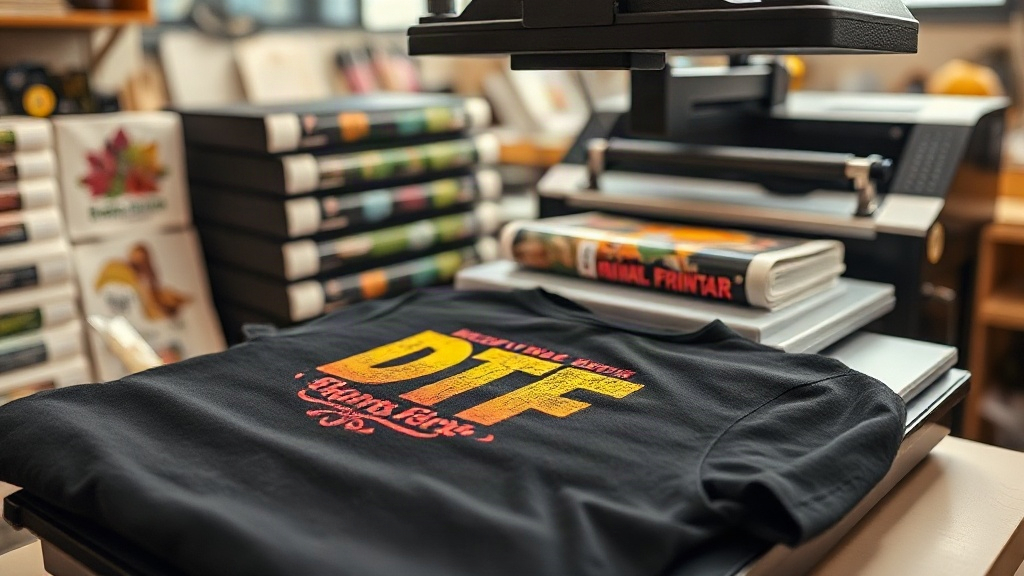
If you've been exploring custom apparel printing, you've likely encountered DTF Transfers. This innovative technology is rapidly gaining popularity among crafters, small businesses, and large manufacturers alike. But what exactly are DTF transfers, and why are they causing such a buzz? In this comprehensive guide, we'll dive deep into the world of DTF transfers, covering everything from the basics to advanced tips, so you can harness this technology to create stunning, durable custom garments.
What Are DTF Transfers?
DTF stands for Direct to Film. It's a printing method where your design is printed onto a special film, coated with a adhesive powder, and then heat-pressed onto the fabric. Unlike DTG (Direct to Garment) or screen printing, DTF transfers don't require pre-treatment of the fabric or specialized equipment beyond a printer and a heat press. The process involves printing with specialized inks onto a PET film, applying a thermoplastic powder while the ink is still wet, and then curing the powder. The result is a transfer that can be stored and applied later, making it incredibly convenient for on-demand production.
Why DTF Transfers Are a Game-Changer
DTF transfers offer several advantages that make them stand out from other printing methods. Let's explore the key benefits:
- Versatility: DTF transfers can be applied to a wide range of fabrics, including cotton, polyester, blends, and even leather. This is a huge advantage over DTG, which works best on 100% cotton, or vinyl, which can be limited.
- Vibrant Colors: The specialized inks used in DTF printing produce bright, opaque colors that pop, even on dark garments. You can achieve intricate details and gradients without the limitations of layered vinyl.
- Durability: When applied correctly, DTF transfers are highly durable. They resist cracking, peeling, and fading, even after multiple washes. This makes them ideal for items that will see frequent use.
- No Weeding or Masking: Unlike vinyl, DTF transfers don't require tedious weeding or masking. You simply print, powder, cure, and press. This saves time and reduces waste.
- Cost-Effective for Short Runs: DTF transfers are more economical for small batches compared to screen printing, which requires setup costs per color. You can print one-off designs or small orders without breaking the bank.
How to Apply DTF Transfers: Step-by-Step
Applying DTF transfers is straightforward, but following the correct steps ensures a professional, long-lasting result. Here's a detailed guide:
1. Prepare Your Heat Press
Set your heat press to the recommended temperature, typically between 300°F and 325°F (150°C to 160°C). Preheat the press for a few minutes to ensure even heat distribution. If you're using a home iron, set it to the highest temperature with no steam.
2. Position the Transfer
Place your garment on the press. If needed, pre-press for a few seconds to remove moisture and wrinkles. Then, position the DTF transfer with the printed side facing up (the powder side should be against the fabric). Use heat-resistant tape if necessary to keep it in place.
3. Press the Transfer
Apply medium to firm pressure for 10-15 seconds. The exact time may vary based on your press and the transfer size. For larger designs, you might need to press in sections to avoid missing spots.
4. Peel the Film
After pressing, allow the transfer to cool completely before peeling the film. This is a cold peel process. Slowly peel the film from one corner. If the design lifts, press again for a few more seconds.
5. Post-Press for Durability
For added durability, cover the design with a Teflon sheet or parchment paper and press again for 5-10 seconds. This ensures the adhesive fully bonds with the fabric.
Common Mistakes to Avoid with DTF Transfers
Even though DTF transfers are forgiving, certain pitfalls can ruin your results. Here are mistakes to watch out for:
- Insufficient Pressure: Not applying enough pressure can cause the transfer to not adhere properly, leading to peeling. Always use firm pressure.
- Wrong Temperature: Too low and the adhesive won't activate; too high and you might scorch the fabric or the film. Always follow the transfer supplier's recommendations.
- Peeling While Hot: DTF transfers require a cold peel. Peeling too early can distort the design or leave residue.
- Not Pre-Pressing: Moisture in the fabric can create steam pockets that prevent proper adhesion. Always pre-press to remove moisture.
- Using the Wrong Fabric: While DTF works on many fabrics, some delicate materials like nylon or silk may require lower temperatures or may not be suitable. Test first.
DTF Transfers vs. Other Printing Methods
How do DTF transfers stack up against DTG, screen printing, and vinyl? Let's compare:
- DTF vs. DTG: DTF works on more fabric types and doesn't require pre-treatment. DTG is limited to cotton and can be less vibrant on dark colors.
- DTF vs. Screen Printing: Screen printing is cost-effective for large orders but has setup costs and is limited in colors. DTF is better for detailed, multi-color designs and short runs.
- DTF vs. Vinyl: Vinyl requires weeding and layering, which is time-consuming. DTF allows for complex designs without weeding and offers more vibrant colors.
Choosing the Right DTF Supplies
To achieve professional results, you need quality supplies. Here's what to look for:
- DTF Printer: A dedicated DTF printer with white ink capability is essential. Brands like Epson, Roland, and Mutoh offer models, or you can convert a standard printer with a DTF kit.
- DTF Inks: Use high-quality DTF inks designed for your printer. They should be vibrant and durable.
- DTF Film: Choose a film that matches your printer and application. There are hot peel and cold peel films; most DTF transfers are cold peel.
- Adhesive Powder: The powder is crucial for bonding. Use a fine, thermoplastic powder suitable for DTF.
- Heat Press: A reliable heat press with accurate temperature and pressure control is a must.
Frequently Asked Questions About DTF Transfers
How long do DTF transfers last?
With proper application and care, DTF transfers can last 50+ washes. They are known for their durability when applied correctly and washed inside out in cold water.
Can I use DTF transfers on dark colors?
Absolutely! DTF transfers include a white ink base that makes colors pop on dark fabrics. This is one of their biggest advantages over DTG.
Do I need a special printer for DTF transfers?
You can either purchase a dedicated DTF printer or convert a standard inkjet printer with a DTF conversion kit. The kit includes DTF inks, film, and powder.
What fabrics work best with DTF transfers?
DTF transfers work on cotton, polyester, blends, and even leather. However, for stretchy fabrics, ensure the transfer can stretch with the fabric to avoid cracking.
How do I store unused DTF transfers?
Store them in a cool, dry place away from direct sunlight. Keep them flat to prevent curling. Properly stored transfers can last for months.
Final Thoughts
DTF transfers are a versatile, durable, and cost-effective solution for custom apparel printing. Whether you're a hobbyist or a business owner, mastering DTF transfers can open up a world of creative possibilities. With the right supplies and techniques, you can produce professional-quality garments that impress. So why not give DTF transfers a try? Your custom apparel projects will never be the same.