
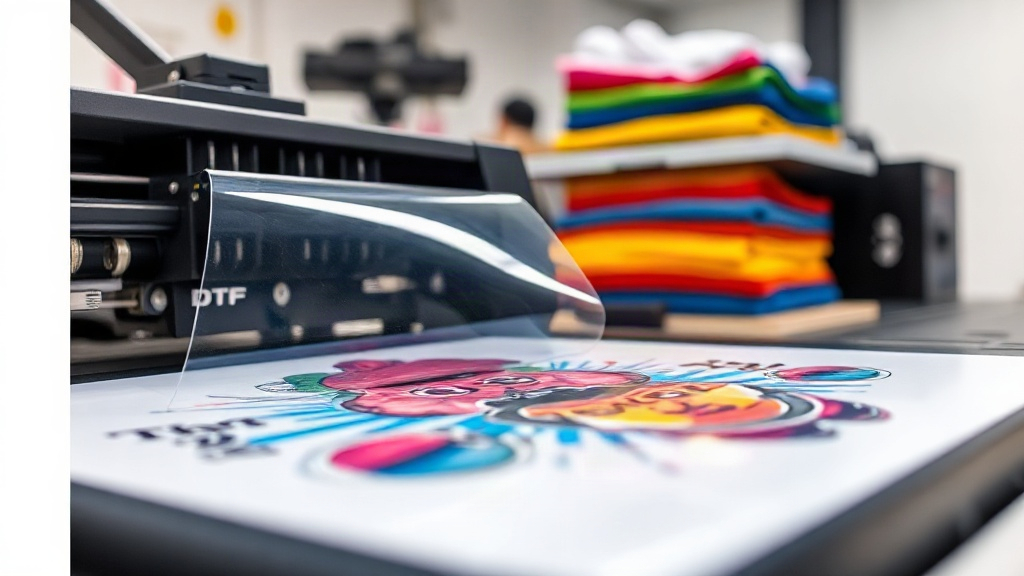
If you've been exploring custom apparel printing, you've likely encountered DTF printing. Short for Direct-to-Film, DTF is rapidly becoming the go-to method for creating vibrant, long-lasting designs on a wide range of fabrics. Unlike traditional techniques that require specific materials or extensive setup, DTF offers unmatched versatility and simplicity. In this guide, we'll dive deep into what DTF printing is, how it works, and why it might be the perfect solution for your next project.
What Is DTF Printing?
DTF printing is a digital printing method where your design is printed onto a special film, coated with adhesive powder, and then heat-pressed onto the fabric. The process eliminates the need for weeding, masking, or using multiple materials. It works by printing a mirrored image onto a PET film using specialized DTF inks (usually CMYK plus white). After printing, a hot-melt powder is applied to the wet ink, which acts as the adhesive during transfer. Once the powder is cured, the film can be stored or immediately used to transfer the design onto a garment using a heat press.
How DTF Printing Works: Step by Step
Understanding the DTF workflow helps you appreciate its efficiency and quality. Here's a breakdown of the process:
- Design Preparation: Create your artwork in a graphics program. Remember to mirror the image horizontally before printing, as the film will be flipped during transfer.
- Printing: Load the DTF film into a dedicated DTF printer. The printer lays down a layer of white ink first (if your design has white areas or will be applied to dark garments), followed by the color layers. Some printers print color first, then white; the order depends on the printer model and software settings.
- Powdering: While the ink is still wet, the printed film is sprinkled with hot-melt adhesive powder. The powder sticks only to the wet ink. Excess powder is shaken off.
- Curing: The film with powder is then heated (usually in a curing oven or with a heat gun) until the powder melts and forms a smooth, clear adhesive layer. This step is crucial for durability.
- Transfer: The cured film is placed onto the fabric with the design side up. A heat press is used to apply heat and pressure, causing the adhesive to bond with the fabric. After pressing, the film is peeled away (hot or cold peel, depending on the film type), leaving the design behind.
Why Choose DTF Printing?
DTF printing offers several advantages that make it a standout choice for both beginners and professionals.
Versatility Across Fabrics
One of the biggest draws of DTF is its ability to adhere to almost any fabric type: cotton, polyester, blends, nylon, canvas, and even leather. This versatility means you can offer custom prints on a wide range of products without investing in multiple printing technologies.
No Weeding or Masking Required
Unlike heat transfer vinyl (HTV), DTF doesn't require weeding tiny details or masking. You simply print, powder, cure, and press. This saves significant time and labor, especially for complex, multi-color designs.
Vibrant Colors and Fine Details
DTF printers can produce high-resolution images with smooth gradients, fine lines, and photographic details. The white ink base ensures colors remain vibrant even on dark garments, making it ideal for bold graphics.
Durability and Washability
When properly applied, DTF transfers are highly durable. They withstand repeated washing without cracking, peeling, or fading, provided you follow care instructions. This makes DTF suitable for items that get frequent use, like t-shirts, hoodies, and tote bags.
DTF vs. Other Printing Methods
How does DTF stack up against alternatives like DTG, screen printing, and HTV?
- DTF vs. DTG: DTG (Direct-to-Garment) prints directly onto fabric and works best on 100% cotton. It can be slower and requires pretreatment. DTF works on more fabrics and often produces more durable prints on synthetics.
- DTF vs. Screen Printing: Screen printing is cost-effective for large orders but requires setup per color and is impractical for small batches. DTF excels at short runs and complex designs without setup fees.
- DTF vs. HTV: HTV requires weeding and layering, which is time-consuming. DTF eliminates weeding and handles full-color designs in one press.
Getting Started with DTF Printing
Ready to dive into DTF? Here's what you'll need:
- DTF Printer: Options range from converted Epson printers to dedicated DTF printers. Ensure it uses DTF inks and has a white ink channel.
- DTF Film: Choose high-quality PET film designed for DTF. It comes in sheets or rolls.
- Hot-Melt Powder: This adhesive powder is essential for bonding. It comes in different particle sizes; finer powder is better for detailed designs.
- Curing Oven or Heat Gun: To melt the powder evenly. A curing oven provides more consistent results.
- Heat Press: A reliable heat press with accurate temperature and pressure control is critical for successful transfers.
- Design Software: Any vector or raster graphics software works, but ensure you can mirror images.
Start with a small setup to learn the ropes. Many suppliers offer starter kits that include everything you need to begin.
Tips for Successful DTF Transfers
To get the best results from your DTF printing, keep these tips in mind:
- Control Moisture: Fabric should be dry and free of wrinkles. Pre-press garments to remove moisture.
- Adjust Pressure: Insufficient pressure leads to poor adhesion; too much can cause ink dispersion. Experiment to find the sweet spot.
- Temperature Matters: Follow the film and powder manufacturer's recommendations. Typical transfer temps range from 300°F to 350°F (150°C to 175°C).
- Peel Technique: Some films require hot peel, others cold peel. Knowing the difference prevents design distortion.
- Storage: Store unused film and powder in a cool, dry place to prevent clumping or degradation.
Common Applications of DTF Printing
DTF printing is used across various industries and personal projects:
- Custom Apparel: T-shirts, hoodies, jeans, jackets, and sportswear.
- Accessories: Tote bags, hats, socks, and shoes.
- Home Decor: Pillows, blankets, and curtains.
- Promotional Items: Corporate giveaways, event merchandise, and team uniforms.
Its flexibility makes it a favorite among small business owners, crafters, and DIY enthusiasts.
Frequently Asked Questions About DTF Printing
Can I use DTF on 100% polyester?
Yes, DTF works exceptionally well on polyester. The low-temperature transfer process and adhesive powder bond effectively to synthetic fibers, often with better results than DTG. Just be mindful of the heat setting to avoid scorching.
How long do DTF prints last?
With proper application and care, DTF prints can last as long as the garment itself. Wash inside out in cold water and avoid harsh detergents or high heat in the dryer to maximize longevity.
Do I need a special printer for DTF?
You can convert certain inkjet printers (like Epson) to use DTF inks, but dedicated DTF printers are available and often yield better reliability. Look for printers with a white ink circulation system to prevent clogging.
Is DTF printing cost-effective for small batches?
Absolutely. DTF has low setup costs and no minimum order quantity, making it ideal for one-off items or small runs. The per-unit cost is reasonable, especially when compared to screen printing for short runs.
What fabrics are not suitable for DTF?
DTF adheres to most fabrics, but highly textured or stretchy fabrics like spandex may require testing. Also, fabrics with a heavy water-repellent coating might need special treatment for the adhesive to bond.
As you can see, DTF printing is a game-changer for anyone looking to create custom apparel and more. Its simplicity, versatility, and durability make it an excellent choice for beginners and professionals alike. Whether you're starting a print-on-demand business or just want to personalize your wardrobe, DTF offers a reliable and high-quality solution. So why not give it a try? With the right equipment and a bit of practice, you'll be producing stunning DTF transfers in no time.